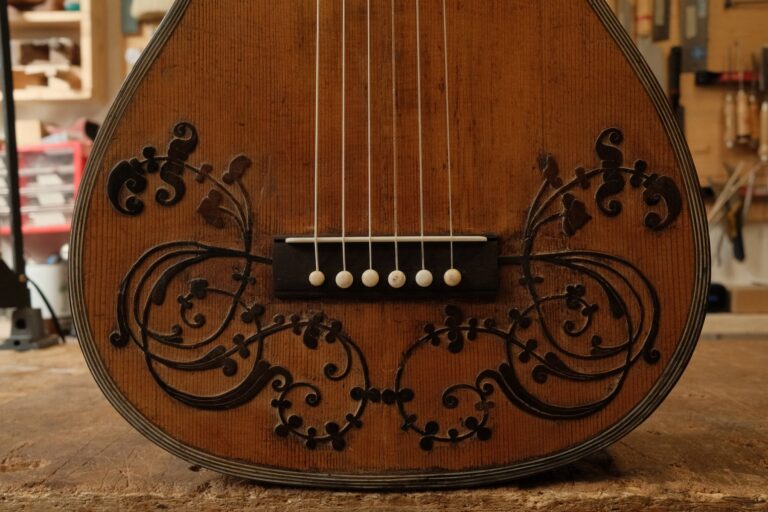
Luigi Filano 1826
Restoring the bridge and floral decoration of an 1826 Luigi Filano guitar by comparing instruments by the same maker.

Restoring the bridge and floral decoration of an 1826 Luigi Filano guitar by comparing instruments by the same maker.
Reattaching a loose section of purfling to the back while repairing the joint between the side and its lining.
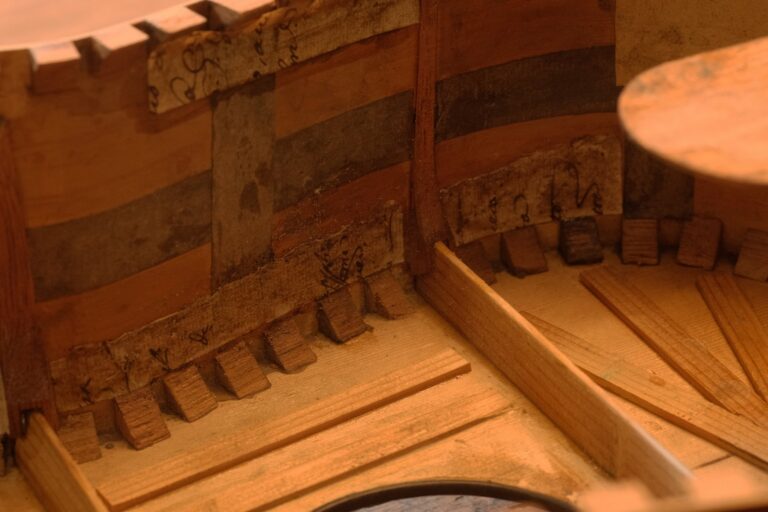
Stabilising the sides and reconstructing internal elements with attention to the instrument’s materials and appearance.
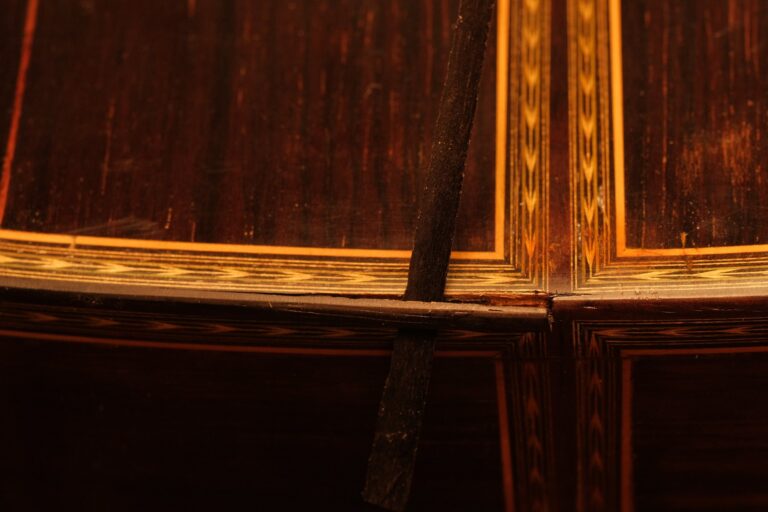
Removing the back by separating the outer purfling while preserving the inner decorative strips.
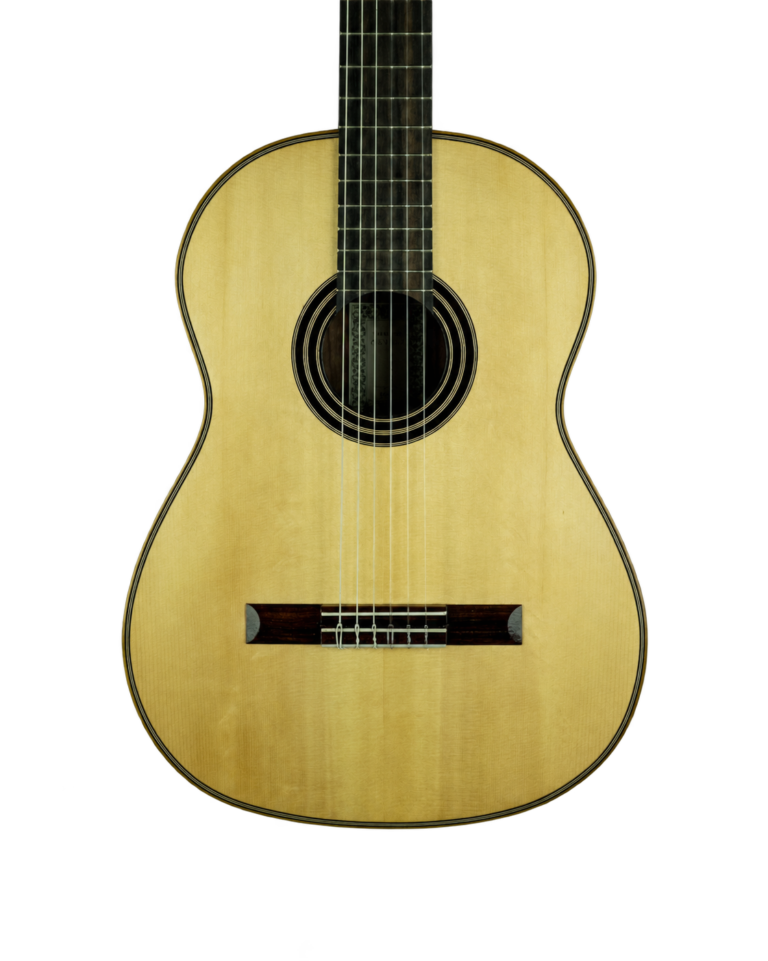
A guitar inspired by Enrique Garcia. After moving to Barcelona, he began making a remarkably varied series of instruments, frequently rethinking the
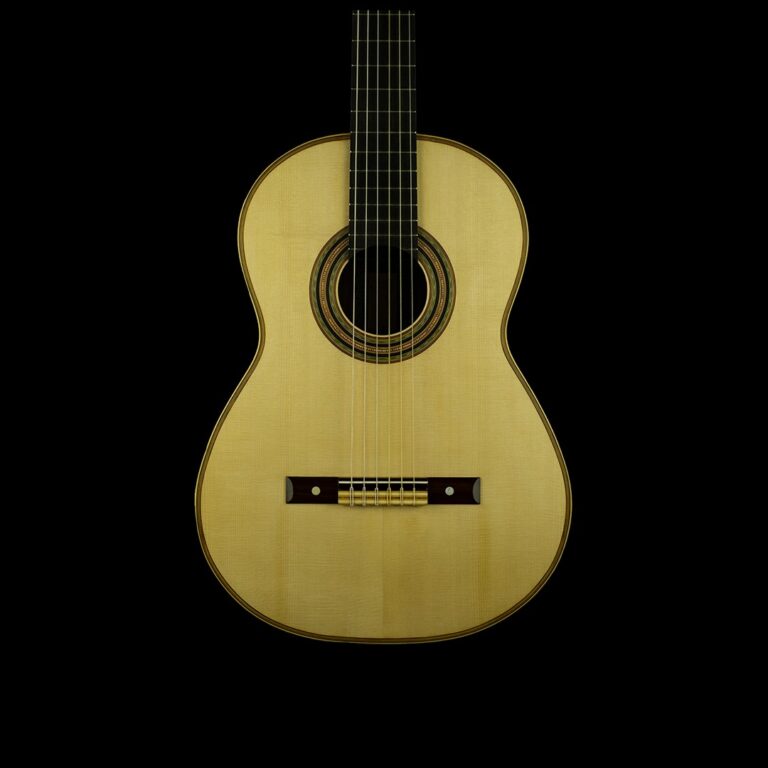
An instrument inspired by Antonio de Torres and interpreted in my own way. Technical specifications Soundboard: Val di Fiemme spruce Back and
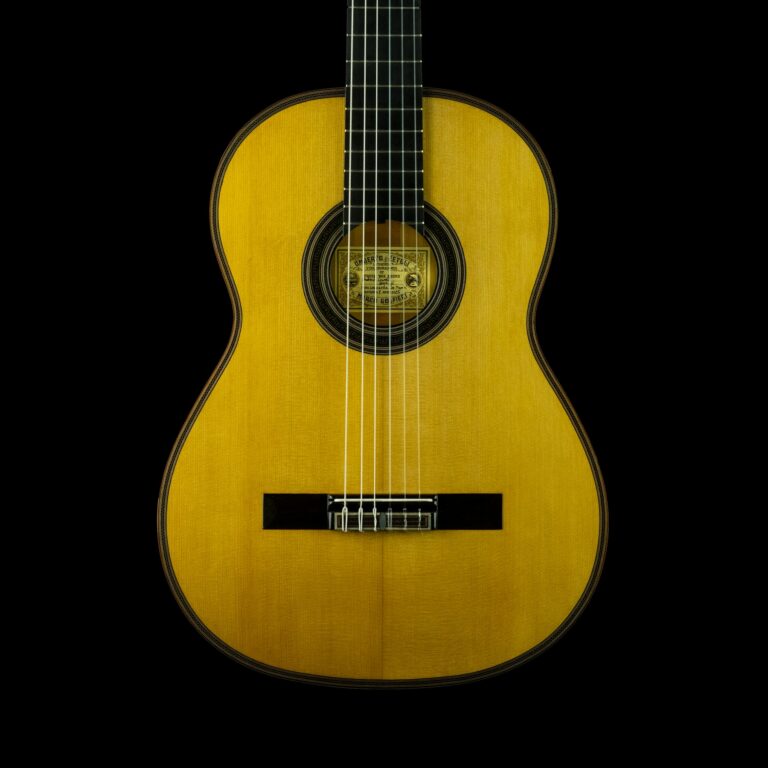
A Simplicio-inspired copy based on two instruments by the Catalan maker. The appearance follows no. 240 from 1929, while no. 288 from
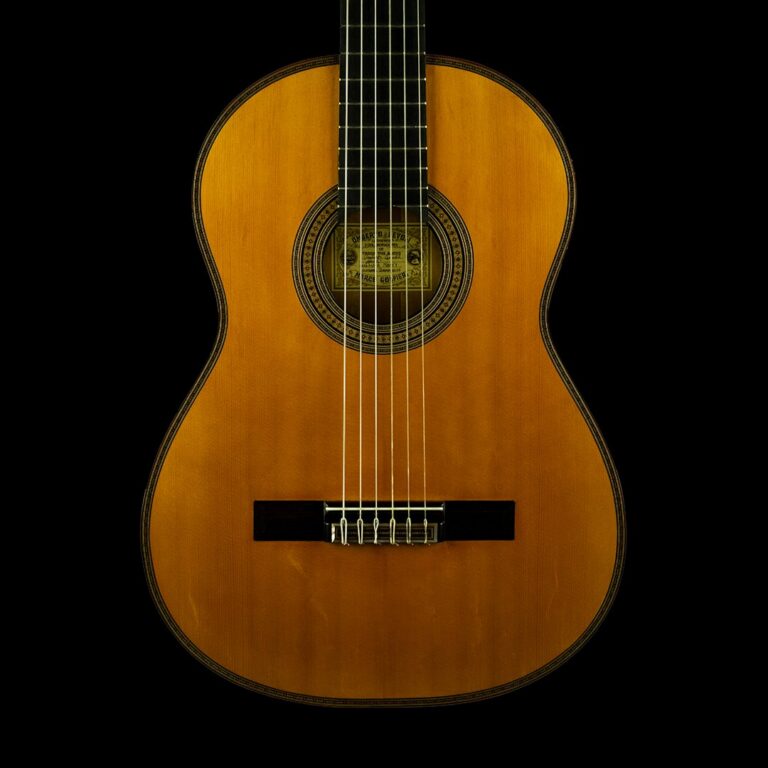
A Simplicio-inspired copy made in collaboration with Marco Golfieri. Technical specifications Soundboard: Slovenian spruce Back and sides: Satinwood Neck: Cedrela odorata Fingerboard
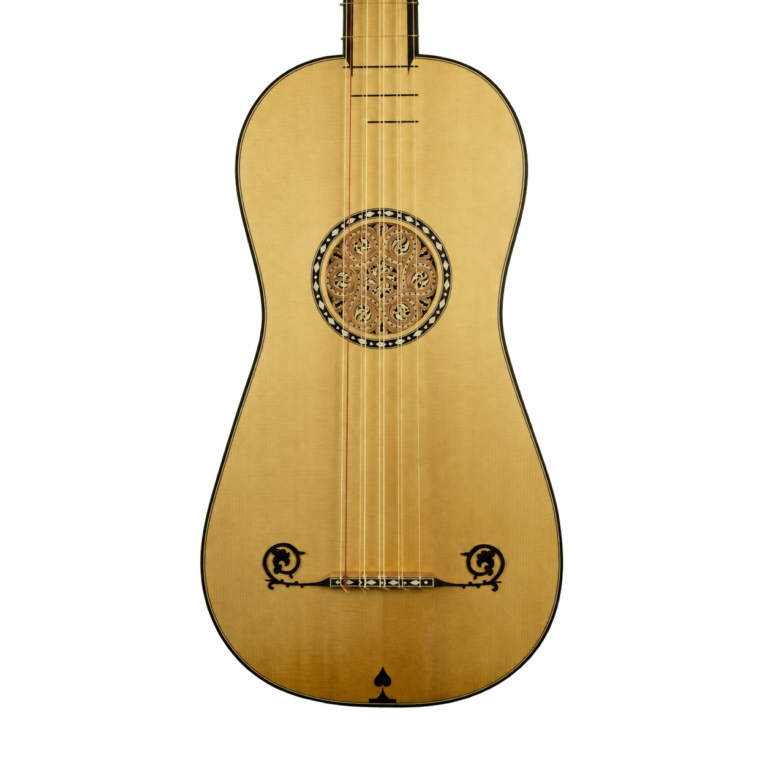
A copy of Antonio Stradivari’s celebrated Hill guitar of 1688. Technical specifications Soundboard: Val di Fiemme spruce Back, sides and veneers: Figured
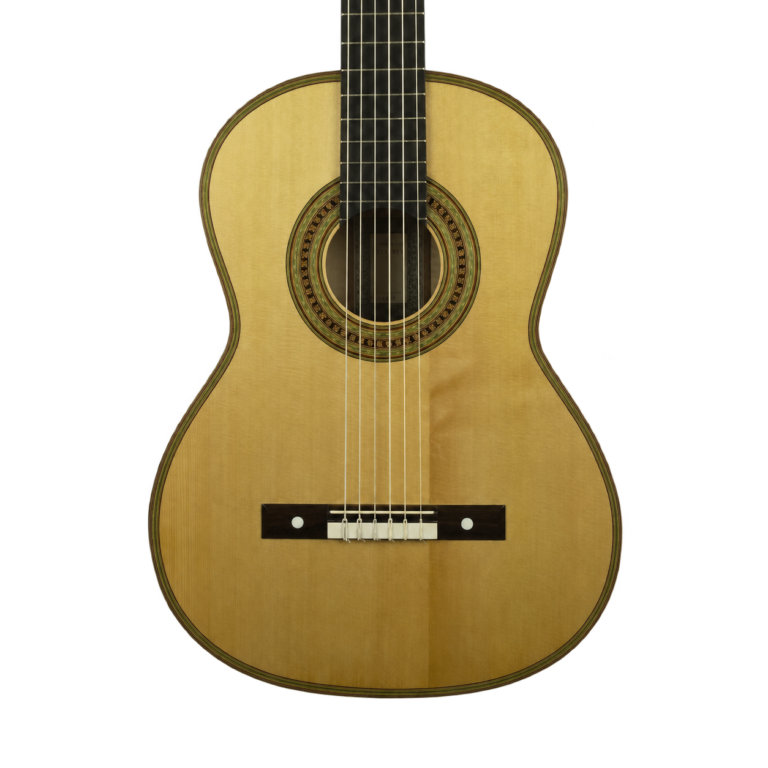
The first modern copy of A. de Torres’s 1882 SE35, which M. Ramirez restored in 1904. I was fortunate to be able
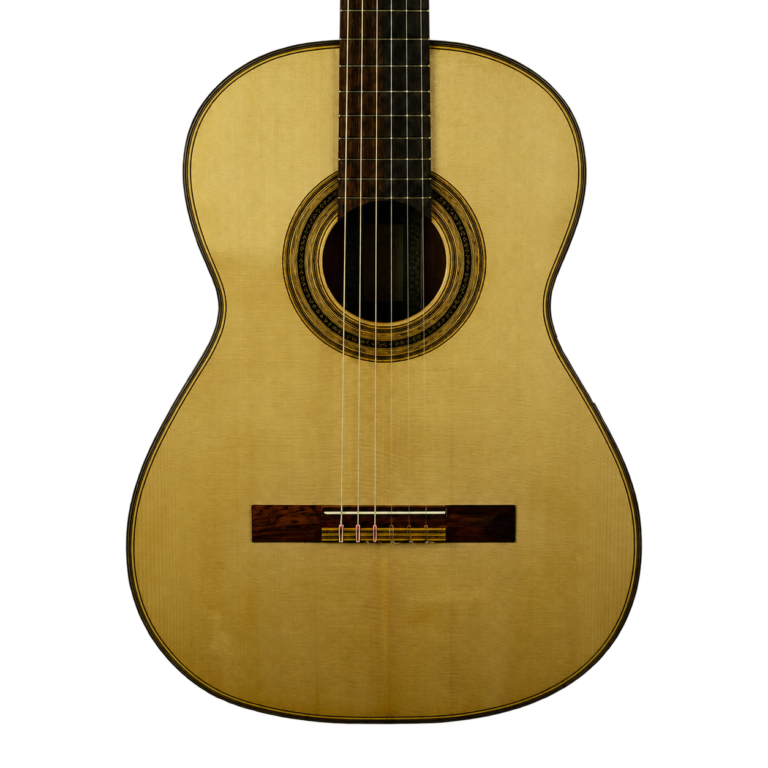
Although Hauser has never been one of my main references, over time I have come across a few extraordinary instruments that can
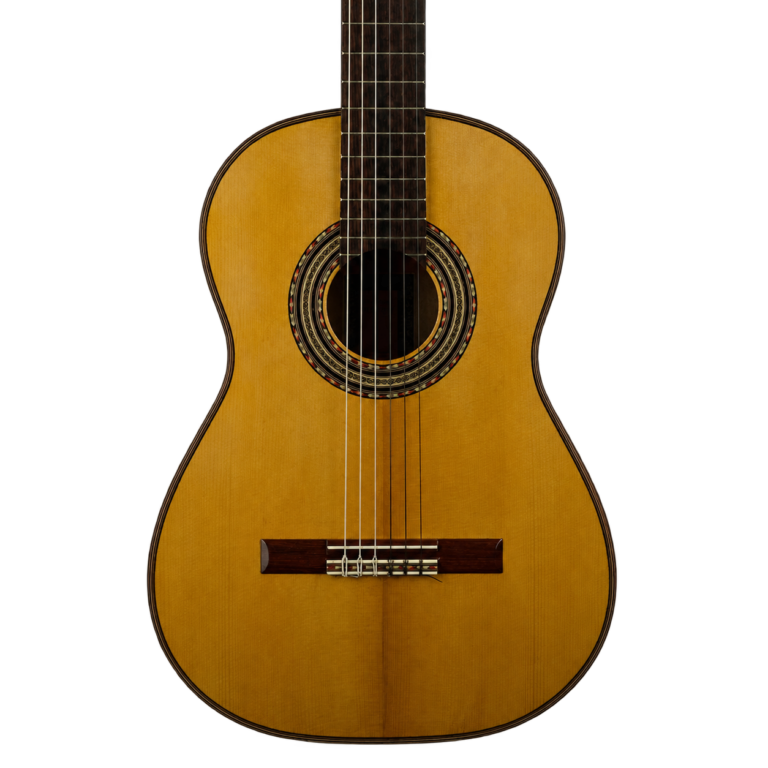
When I visited Spain last September, I realised there were things about the guitar I had never understood. The first was that
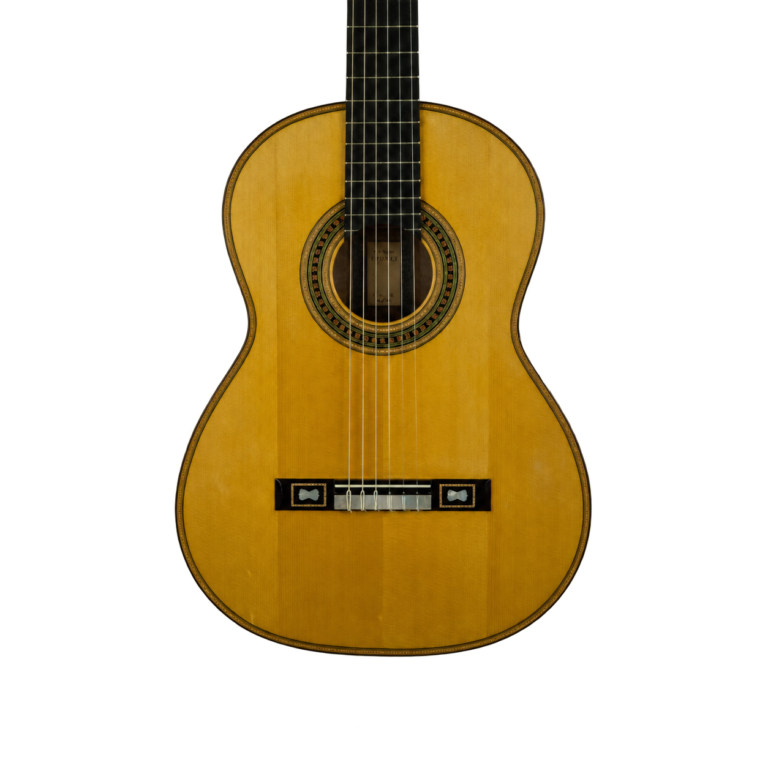
For this instrument I wanted to make the most of materials suited to the result I had in mind. To achieve a
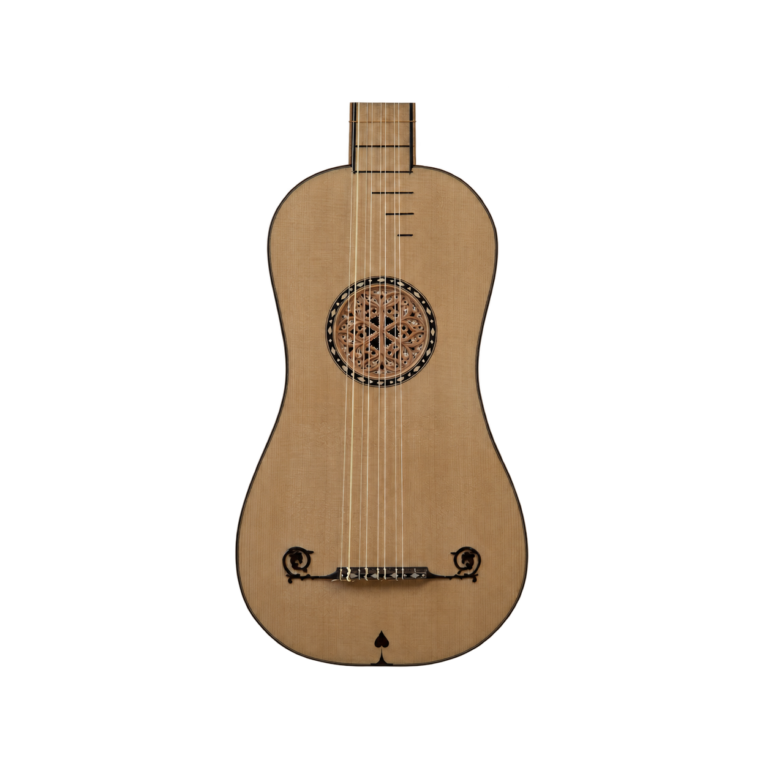
A reconstruction based on Antonio Stradivari’s MS750 pattern, with a Val di Fiemme spruce soundboard and a 67 cm scale length.
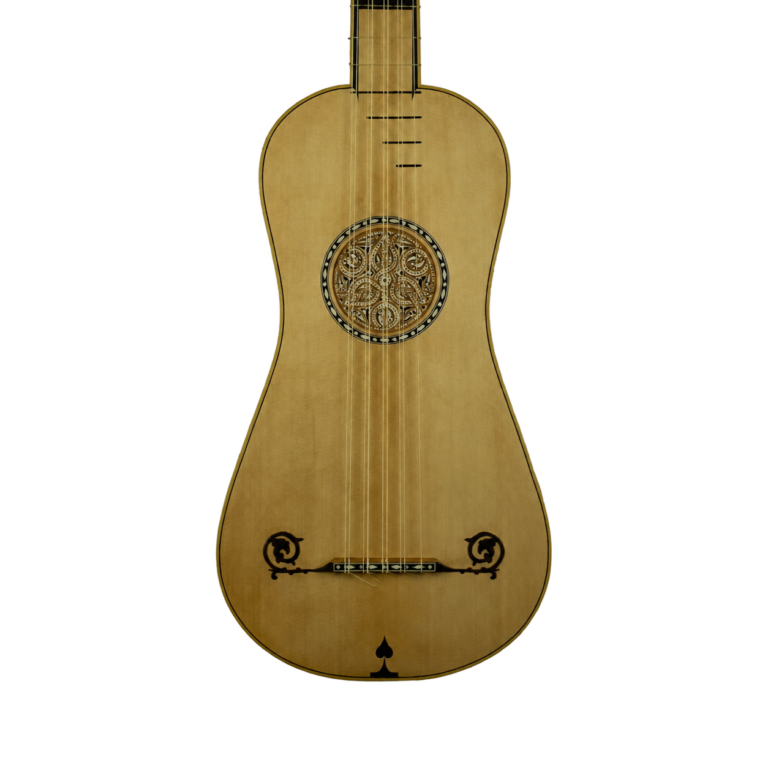
A proposed reconstruction based on the MS719 pattern at the Museo del Violino in Cremona. I set out to bring together Stradivari’s
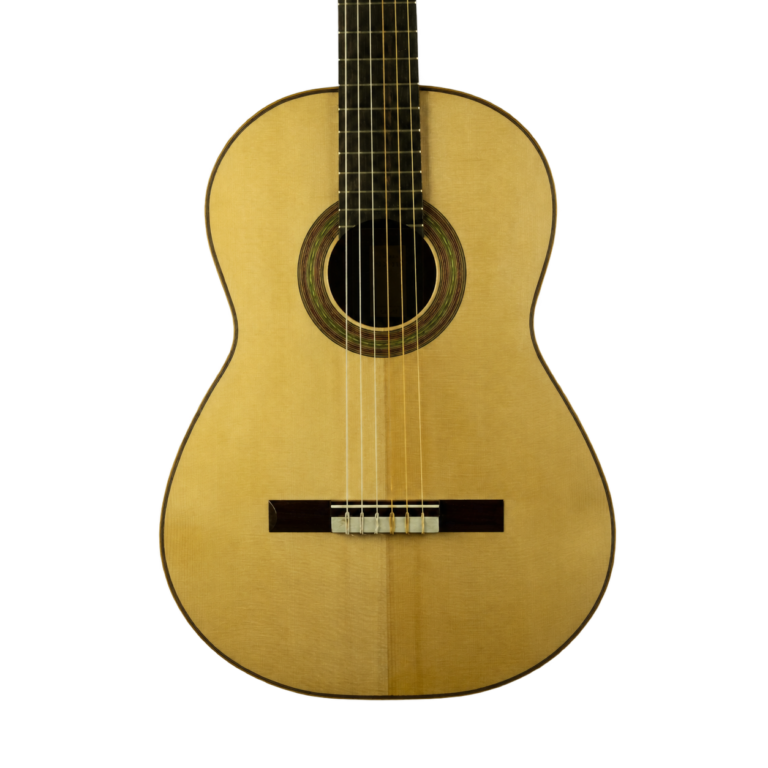
For this instrument I explored the idea of elasticity, continuing a line of work I had begun with a guitar inspired by
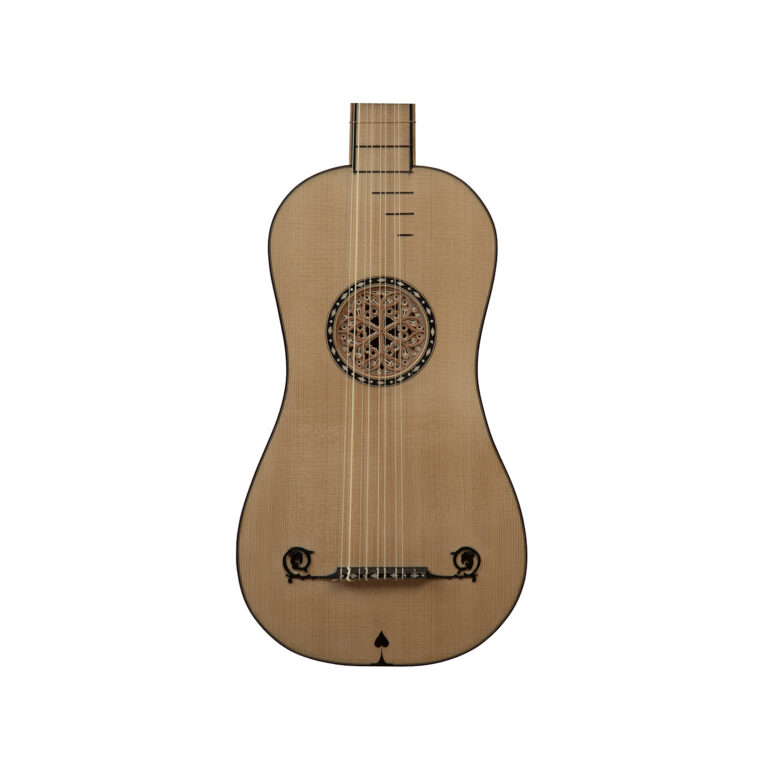

From a thesis on the MS750 pattern to two Baroque guitars made for the Master Mestè project, bringing historical research into the workshop.